Targa: The Name That Turned a Safety Idea Into a Porsche Icon


Jamie Ong
Open Air, Racing DNA, and the Birth of a New 911 Identity
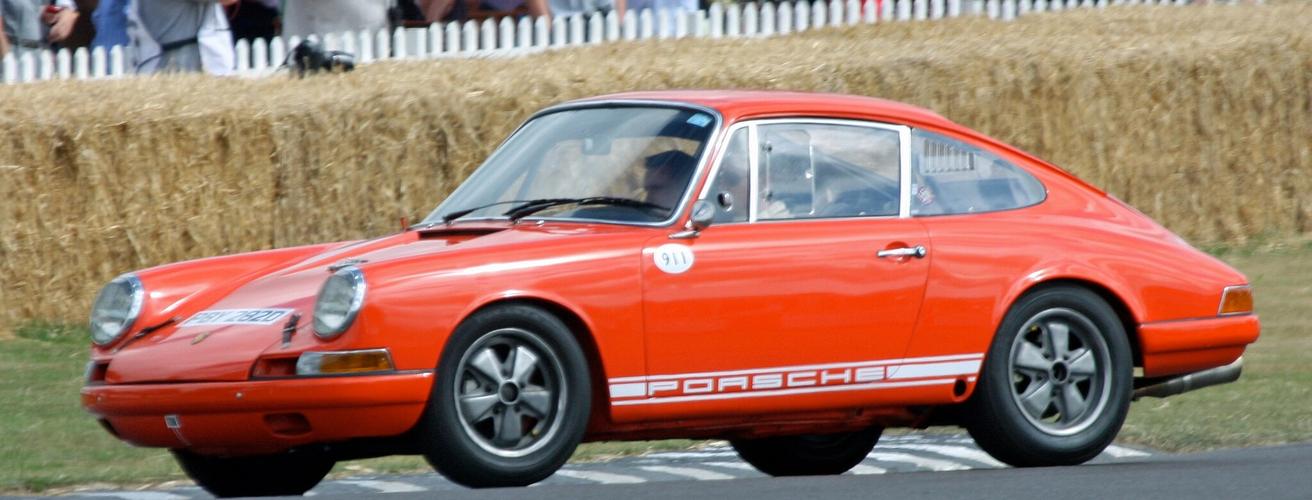
Some cars earn their name through marketing. This is a story that begins long before stainless steel met curved glass. The Porsche Targa earned it on the mountain roads of Sicily, long before it became one of the most recognisable silhouettes in Stuttgart’s history.
When Porsche introduced the Targa in the late 1960s, it was solving a problem. Rumours of looming U.S. convertible safety bans were spreading across the industry, and Porsche’s engineers responded in typical fashion: with a design that blended motorsport inspiration, structural ingenuity, and unmistakable presence.
The result became a category of its own. And for collectors today, especially those who understand the longhood era, the Targa represents something deeply specific, a bridge between racing heritage and everyday usability that quietly shaped the DNA of the modern 911 - a chapter that quietly redefined what an open-air sports car could be under the stewardship of Porsche.
Where the Name “Targa” Really Comes From
“Targa” wasn’t chosen because it sounded exotic. It came from victory.
Porsche’s dominance at the Targa Florio, one of the most punishing endurance races ever held on public roads, inspired the name. The Italian word roughly translates to “plate” or “shield,” but within Porsche circles it became shorthand for resilience and engineering cleverness.
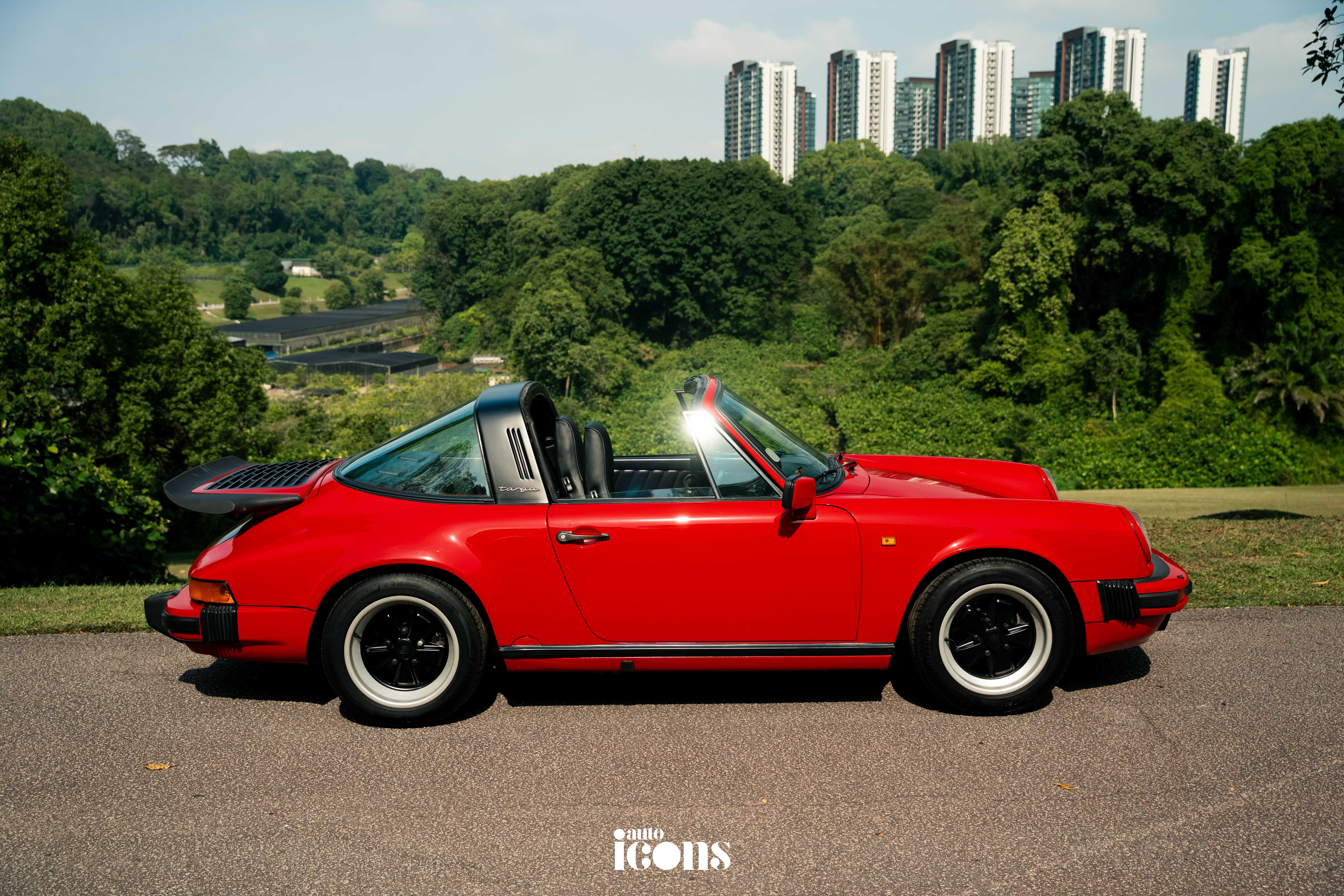
The original Targa bar, that unmistakable brushed stainless hoop, was Porsche’s answer to safety concerns while preserving the open-air experience drivers wanted. For collectors, that origin story changes the way the car is perceived. The Targa wasn’t conceived as a compromise between coupe and cabriolet; it emerged as a tribute to motorsport heritage while addressing a shifting automotive landscape. Even the meaning of the word, often interpreted as a shield, subtly echoes the exposed roll hoop that became the design’s defining signature.
The Longhood Targa Equation: Atmosphere, Engineering, and Intent
The removable roof panel, wraparound rear glass introduced later, and the iconic roll hoop created a silhouette that felt distinctly Porsche. It allowed owners to enjoy the analog intimacy of a classic 911 while maintaining a sense of structural confidence that many early convertibles lacked.
In the late 1960s where others hesitated, Porsche responded with ingenuity. Instead of abandoning open-air driving, the company introduced a removable roof paired with a fixed structural bar, a design that felt both forward-thinking and unmistakably rooted in motorsport logic. Early soft-window examples carried a sense of experimentation that today resonates deeply with seasoned collectors. Their rarity and purity offer a glimpse into a period when the company was willing to challenge convention without sacrificing the mechanical integrity that defined the 911’s character.
Collectors who spend real time with these cars often say the same thing: the Targa delivers a different rhythm. It’s less about chasing apexes and more about experiencing the mechanical honesty of an early 911 with the horizon always in view. And during the longhood years, that experience felt entirely new.
The Targa Was Almost the “Safe Bet” That Outsold the Coupe
One of the lesser-known facts among enthusiasts is just how important the Targa was commercially in the early years. At certain points in the late 1960s and early ’70s, the Targa represented a surprisingly large share of 911 production, evidence that Porsche’s hybrid concept resonated with buyers worldwide.
It also quietly influenced future Porsche design philosophy. The idea that a structural solution could become an aesthetic identity shows up again decades later in cars like the 918 Spyder and modern Targa generations. The longhood Targa was proof that Porsche could innovate without abandoning its core.
The Longhood Years: When Identity Took Shape
As the longhood generation matured through the early 1970s, the Targa evolved alongside it, quietly refining its presence. Lightweight philosophy, cleaner body lines, and incremental engineering improvements transformed the car from an intriguing concept into a core pillar of the 911 lineup.
There was a certain confidence in the way these cars were built. The brushed metal roll bar was left exposed as a statement rather than concealed as a necessity, signalling a design language that embraced honesty over excess. Within collector conversations today, those longhood Targas represent a balance, heritage-driven yet refreshingly individual within the broader 911 hierarchy.
Refinement Through the Analog Era
By the time the 3.2 Carrera generation arrived in the 1980s, the Targa had matured into a refined grand tourer with an unmistakable personality. The driving experience blended classic air-cooled character with a level of usability that appealed to enthusiasts who valued time behind the wheel as much as provenance on paper.
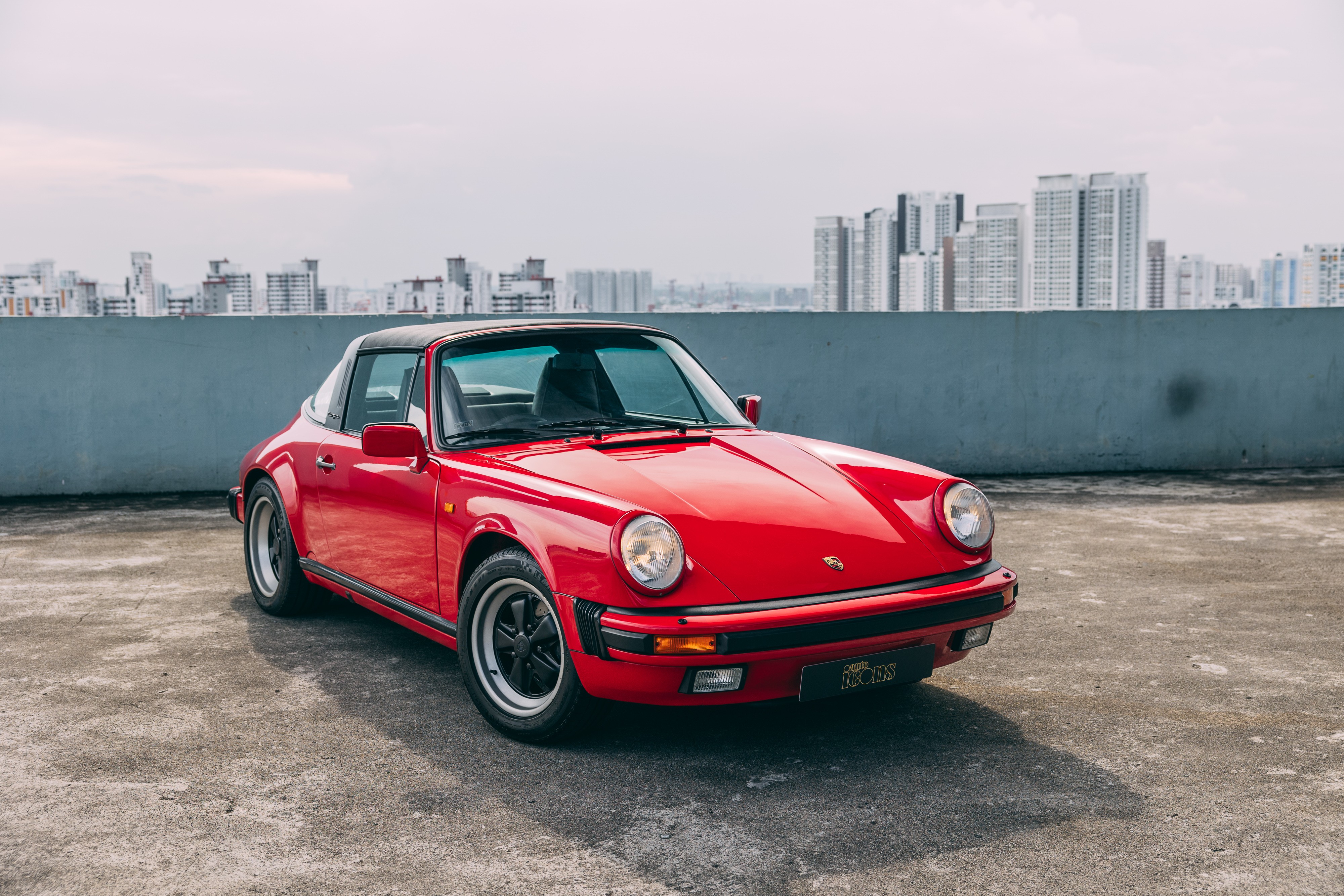
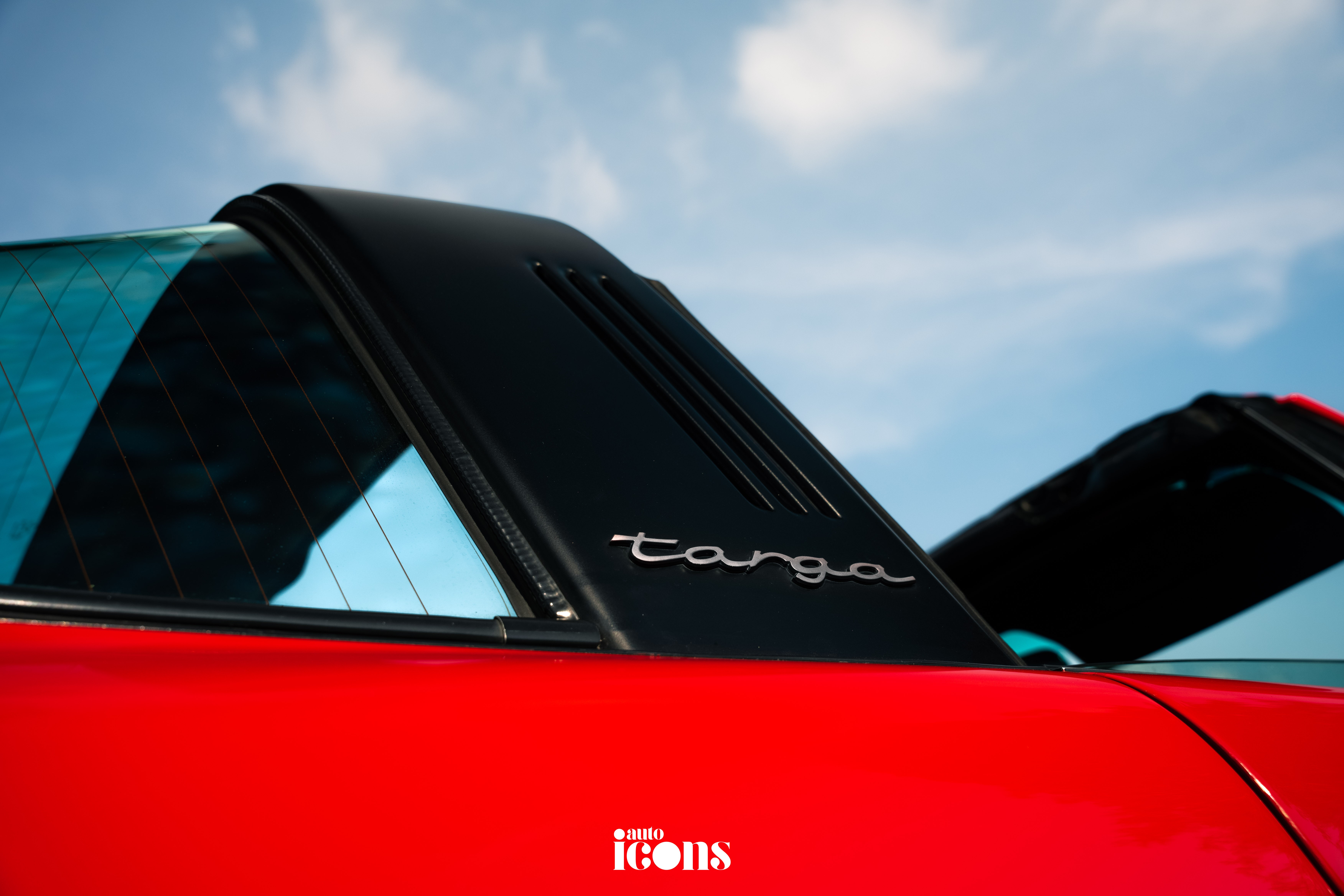
For many seasoned buyers, these later air-cooled Targas capture an intriguing midpoint in the model’s evolution, retaining analog authenticity while benefiting from years of incremental development. The appeal lies less in specification headlines and more in the feeling that the concept had fully come into its own.
An Idea That Became Identity: Understanding the Targa
Among those who look beyond conventional coupe hierarchies, the Targa offers a different kind of narrative. Its significance isn’t measured purely in performance figures; it lives in the story of adaptation - a car born from racing heritage, refined through decades of engineering evolution, and sustained by a design language that has never needed to shout for attention.
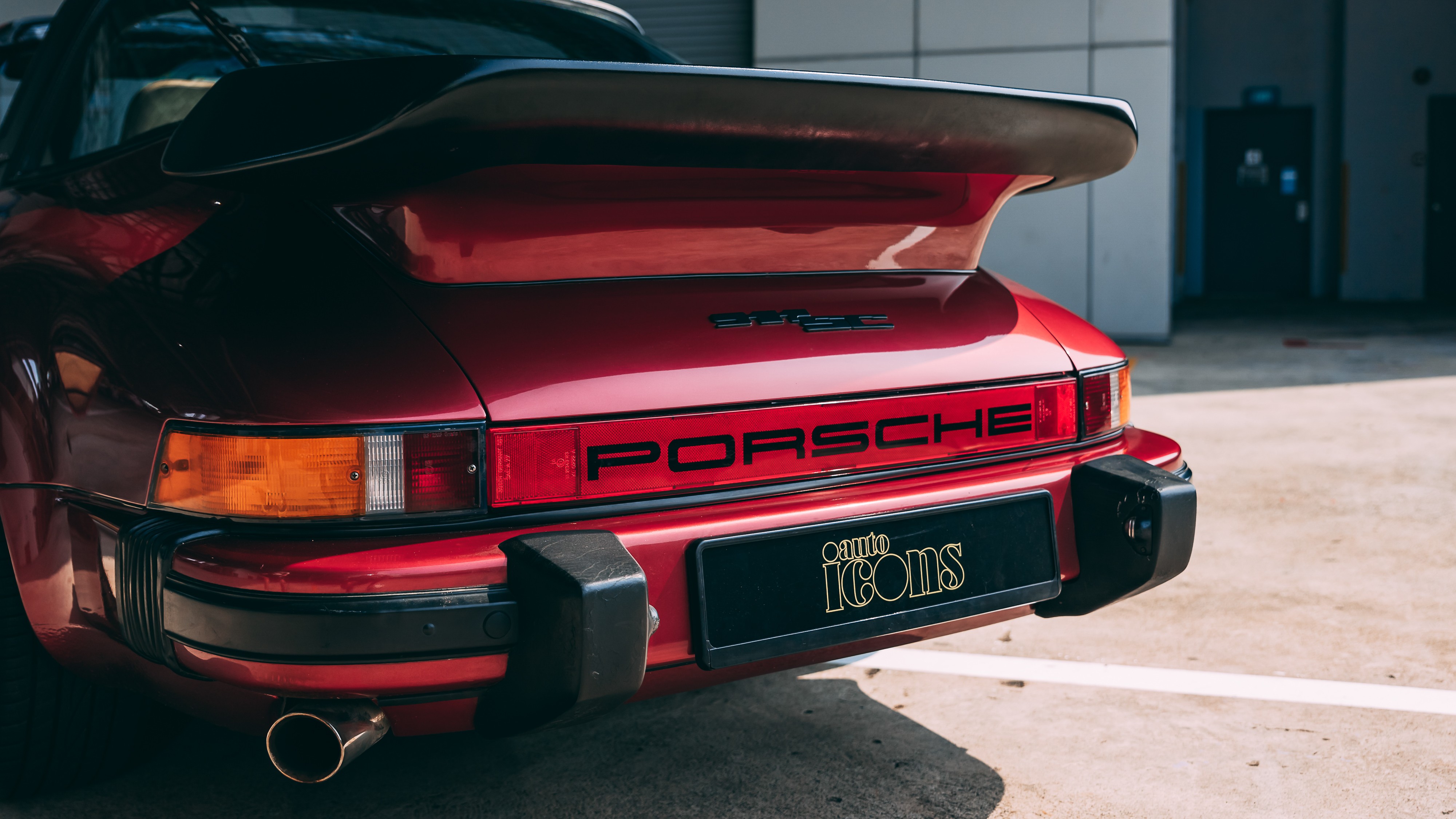
As the collector market continues to reward authenticity and historical context, well-preserved Targas, particularly from the early generations, have begun to command renewed respect. They represent a quieter form of exclusivity, appreciated by enthusiasts who recognise the subtlety behind the silhouette.
The Drive: Why the Targa Still Hits Different
On paper, early Targas mirror their coupe counterparts, flat-six engines, mechanical steering feel, and the unmistakable rear-engine balance. On the road, the experience shifts. Whether it’s a longhood targa, g body targa or a 964 targa, this 911 variant has always been iconic
Wind noise blends with intake sound. Sunlight cuts through the cabin. Every gear change feels more theatrical simply because the environment around you is more alive. It’s an analog driving experience with just enough rebellion to remind you that Porsche never designed cars to feel sterile.
And that’s why collectors who already own coupes often circle back to a Targa later. It adds a different layer to a well-curated garage.
The Quiet Rise of the Targa
For decades, the coupe dominated collector conversations, particularly in performance-focused variants. But as longhood values matured, attention broadened. Increasingly, discerning buyers have begun reassessing early Targas not as secondary choices, but as distinct expressions of the original 911 philosophy. There’s widely acknowledged trend across with growing appreciation for design purity:
- Air-cooled Porsches
- 80s–90s analog supercars
- Manual transmission cars
This is especially among Gen X and older Millennial collectors entering peak earning years. Market data from Hagerty and auction platforms such as Classic.com show sustained resilience across early air-cooled 911 segments, with condition and originality driving premium outcomes. As entry prices for top-tier RS and competition models moved beyond reach for many collectors, longhood Targas emerged as compelling alternatives, offering heritage, open-air character, and comparatively lower acquisition thresholds.
What’s driving the shift is less speculation and more recalibration. The market has become more selective. Collectors are prioritising analog engagement, documented provenance, and historically significant body styles over sheer badge hierarchy. Produced in smaller numbers than coupes in several early model years, the longhood Targa occupies a distinctive space within the F-body spectrum: neither entry-level nor overexposed. For seasoned buyers, the appeal lies in balance, a car that delivers authenticity, usability, and long-term relevance without chasing headline status.
More Than a Roofline: The Legacy of the Targa
Its name carries echoes of Sicilian victories, its design reflects an era of thoughtful engineering, and its legacy continues to resonate with collectors who value depth over spectacle. The longhood Targa emerged from Porsche’s instinct to evolve, blending safety innovation with motorsport DNA in a way that felt effortless rather than forced. Today, it stands as one of the most recognisable interpretations of the 911 formula. A shape that feels relaxed yet intentional. A driving experience that leans into the atmosphere as much as precision.
The Targa reminds us of something essential. Sometimes the most enduring ideas begin as engineering solutions, and become legends by accident. From longhood Targas to foundational F-body coupes, every car Auto Icons represent is evaluated through the lens of heritage, condition, and long-term relevance. If a longhood Targa belongs in your collection, we invite you to reach out to us on WhatsApp, email, the contact form.